Cart
0
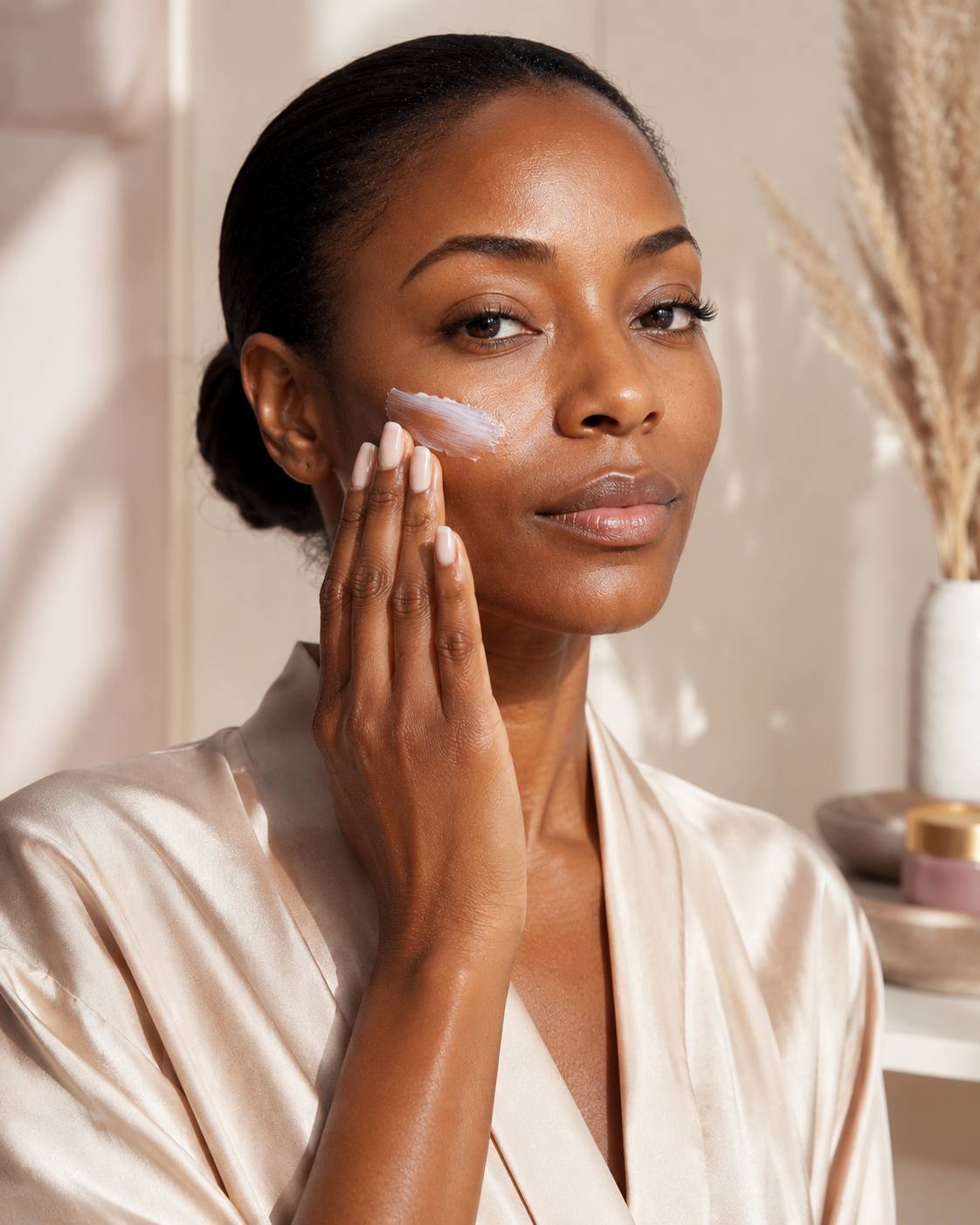
Why SPF Matters for Every Skin Tone
Daily SPF is one of the most important habits for long-term skin health. It is not only for beach days, vacations, fair skin, or summer weather. SPF matters for every skin tone, every age, and every skin goal.
If you are working on hyperpigmentation, acne marks, uneven tone, premature aging, or overall skin health, sunscreen should be part of your daily routine. Without consistent sun protection, corrective skincare can only go so far.
At Phoenix Gwen Skincare, corrective skincare is built on education, structure, and consistency. SPF is not a trend. It is one of the foundation steps that helps protect your progress.
What Does SPF Actually Do?
SPF stands for Sun Protection Factor. It measures how well a sunscreen helps protect the skin from UVB rays, which are the rays most connected to sunburn.
But SPF alone is not the full picture.
For daily skin protection, you want a sunscreen labeled broad spectrum. Broad spectrum means the product helps protect against both:
UVA rays: These rays are strongly connected to premature aging, wrinkles, skin laxity, and uneven tone.
UVB rays: These rays are strongly connected to sunburn and also contribute to skin cancer risk.
A good daily sunscreen should be:
- Broad spectrum
- SPF 30 or higher
- Comfortable enough to wear consistently
- Appropriate for your skin type
- Reapplied when needed, especially outdoors
The best sunscreen is not always the most expensive one. It is the one you will use correctly and consistently.
Why UV Damage Affects Every Skin Tone

A common myth is that deeper skin tones do not need sunscreen. This is not true.
Melanin gives the skin some natural protection, but it does not make the skin immune to UV damage. People with deeper skin tones can still develop sun damage, uneven tone, premature aging, and skin cancer.
For melanated skin, UV exposure can be especially frustrating because it may worsen discoloration. This includes:
- Dark spots
- Acne marks
- Melasma-like discoloration
- Uneven tone
- Post-inflammatory hyperpigmentation
Even when the skin does not burn easily, UV exposure can still trigger pigment changes beneath the surface. This is why someone may say, “I don’t burn,” but still notice dark spots getting deeper, older marks lingering longer, or uneven tone becoming harder to correct.
SPF is not about fear. It is about prevention and preservation.
How SPF Helps Prevent Hyperpigmentation

Hyperpigmentation happens when the skin produces excess pigment in certain areas. This can happen after acne, irritation, inflammation, sun exposure, hormonal changes, or skin injury.
For many clients, the mark left behind after a breakout is more frustrating than the breakout itself. These marks are often called acne marks or post-inflammatory hyperpigmentation.
Corrective skincare may include ingredients that support brightening, exfoliation, pigment regulation, and barrier repair. But if SPF is missing, UV exposure can continue signaling the skin to produce more pigment.
That means dark spots may:
- Look deeper
- Last longer
- Return after fading
- Become harder to correct
- Respond more slowly to skincare
Daily SPF helps protect the skin from the UV exposure that can worsen discoloration. For darker skin tones or stubborn hyperpigmentation, tinted sunscreen with iron oxides may be helpful because visible light can also contribute to pigment concerns.
This does not mean every person must use the same sunscreen. It means sunscreen selection should be intentional.
How SPF Protects Against Premature Aging

Premature aging is not only about fine lines. It can also include:
- Loss of firmness
- Uneven tone
- Rough texture
- Dullness
- Sun spots
- Crepey skin
- Reduced elasticity
UV exposure contributes to visible signs of skin aging over time. This process can happen gradually, so many people do not notice the damage until years later.
Think of SPF as a protection step, not a correction step. Serums and treatments can support skin goals, but sunscreen helps protect the results you are working toward.
If you are investing in corrective skincare, professional products, or advanced treatments, SPF helps protect that investment.
Without SPF, the skin is constantly being exposed to one of the main factors that contributes to visible aging.
Why SPF Matters Even on Cloudy Days
Cloudy weather does not mean your skin is fully protected.
UV rays can still reach your skin when it is cloudy, cool, or overcast. This is one of the reasons SPF should be a daily habit, not something you only apply when the sun feels intense.
You should also think about daily incidental exposure, such as:
- Driving
- Sitting near windows
- Walking outside
- Running errands
- Outdoor workouts
- School drop-offs
- Lunch breaks
- Beach or pool days
The goal is not perfection. The goal is consistency.
If you are indoors all day and away from windows, your SPF needs may be different from someone spending hours outside. But for most people, applying sunscreen in the morning creates a practical baseline of protection.
How Much SPF Should You Use?
Sunscreen only works well when enough is applied.
For the face and neck, a practical guideline is about two finger lengths of sunscreen, or enough to generously cover the skin. For the body, most adults need about one ounce, roughly the amount that would fill a shot glass, to cover exposed areas.
Apply SPF to areas people often miss:
- Ears
- Neck
- Chest
- Hairline
- Around the eyes, if tolerated
- Back of hands
- Tops of feet
- Lips with SPF lip balm
When outdoors, sunscreen should generally be reapplied every two hours and after swimming, sweating, or towel drying. If you are wearing makeup, reapplication can be done with SPF powders, sunscreen sticks, sprays, or a second layer of sunscreen depending on your skin and routine.
Underapplying sunscreen is one of the most common reasons people do not get the protection listed on the label.
Choosing the Right Sunscreen

The right sunscreen depends on your skin type, tone, lifestyle, and personal preferences.
For oily or acne-prone skin
Look for lightweight, non-comedogenic formulas. Gel, fluid, or oil-free sunscreens may feel better on oily skin.
For dry skin
Look for moisturizing sunscreen formulas with ingredients that support hydration. Creamier textures may be more comfortable.
For sensitive skin
Mineral sunscreens with zinc oxide or titanium dioxide may be a better option for some sensitive skin types. However, every person is different, and patch testing can help.
For deeper skin tones
Look for sunscreens that blend well without a heavy white cast. Tinted sunscreens can be useful, especially when hyperpigmentation is a concern.
For hyperpigmentation
Consider broad spectrum SPF 30 or higher. Tinted sunscreen with iron oxides may be especially helpful for people prone to dark spots because it can provide added protection from visible light.
For outdoor activity
Use a water-resistant sunscreen and reapply as directed. Sunscreen should be paired with shade, sunglasses, hats, and protective clothing when possible.
The best sunscreen is the one that fits your real life. If it feels heavy, burns your eyes, leaves a cast, or breaks you out, you probably will not use it consistently. That is why sunscreen selection should be customized.
The Bottom Line
SPF is for everyone.
Every skin tone.
Every age.
Every day.
Daily sunscreen helps protect against UV damage, supports an even-looking skin tone, helps prevent dark spots from worsening, and protects the progress you make with corrective skincare.
If you are working on acne marks, hyperpigmentation, premature aging, or long-term skin health, SPF is not optional. It is part of the foundation.
Corrective skincare works best when the routine is structured, intentional, and consistent. Sunscreen helps protect the results you are trying to build.
Ready for a Personalized Skin Strategy?
If you are unsure which sunscreen fits your skin type, tone, acne history, or hyperpigmentation concerns, Phoenix Gwen Skincare can help you build a structured routine.
Book a Private Skin Strategy Consultation to receive professional guidance tailored to your skin goals.
Need Help Choosing the Right SPF?
Not every sunscreen works for every skin type.
At Phoenix Gwen Skincare, I create personalized skincare plans designed around your skin goals, lifestyle, and concerns.
Book your Private Skin Strategy Consultation to receive professional guidance tailored to your skin.
Book your Private Skin Strategy Consultation
Frequently Asked Questions
Do deeper skin tones really need SPF?
Yes. Deeper skin tones have more melanin, but they are still vulnerable to UV damage, hyperpigmentation, premature aging, and skin cancer risk.
Can sunscreen help fade dark spots?
Sunscreen does not fade dark spots by itself, but it helps prevent UV exposure from making discoloration darker or harder to correct. It supports the effectiveness of a corrective skincare plan.
What SPF should I use daily?
For most adults, broad spectrum SPF 30 or higher is recommended for daily use.
Do I need sunscreen indoors?
If you sit near windows or get daily sun exposure through driving or errands, sunscreen is still useful. UVA rays can pass through window glass.
Is mineral or chemical sunscreen better?
Neither is automatically better for everyone. Mineral sunscreen may be better tolerated by sensitive skin, while chemical sunscreens may feel lighter or blend more easily. The best option depends on your skin.
Is tinted sunscreen better for hyperpigmentation?
Tinted sunscreen with iron oxides may be helpful for people prone to hyperpigmentation because it can offer protection from visible light, which may contribute to darkening in deeper skin tones.
How often should I reapply sunscreen?
When outdoors, reapply about every two hours and after swimming, sweating, or towel drying.
Continue Learning
- What Healthy Skin Actually Looks Like
- What Causes Hyperpigmentation?
- Acne Marks vs Acne Scars
- How to Know if Your Skin Barrier Is Damaged